From digital to paint
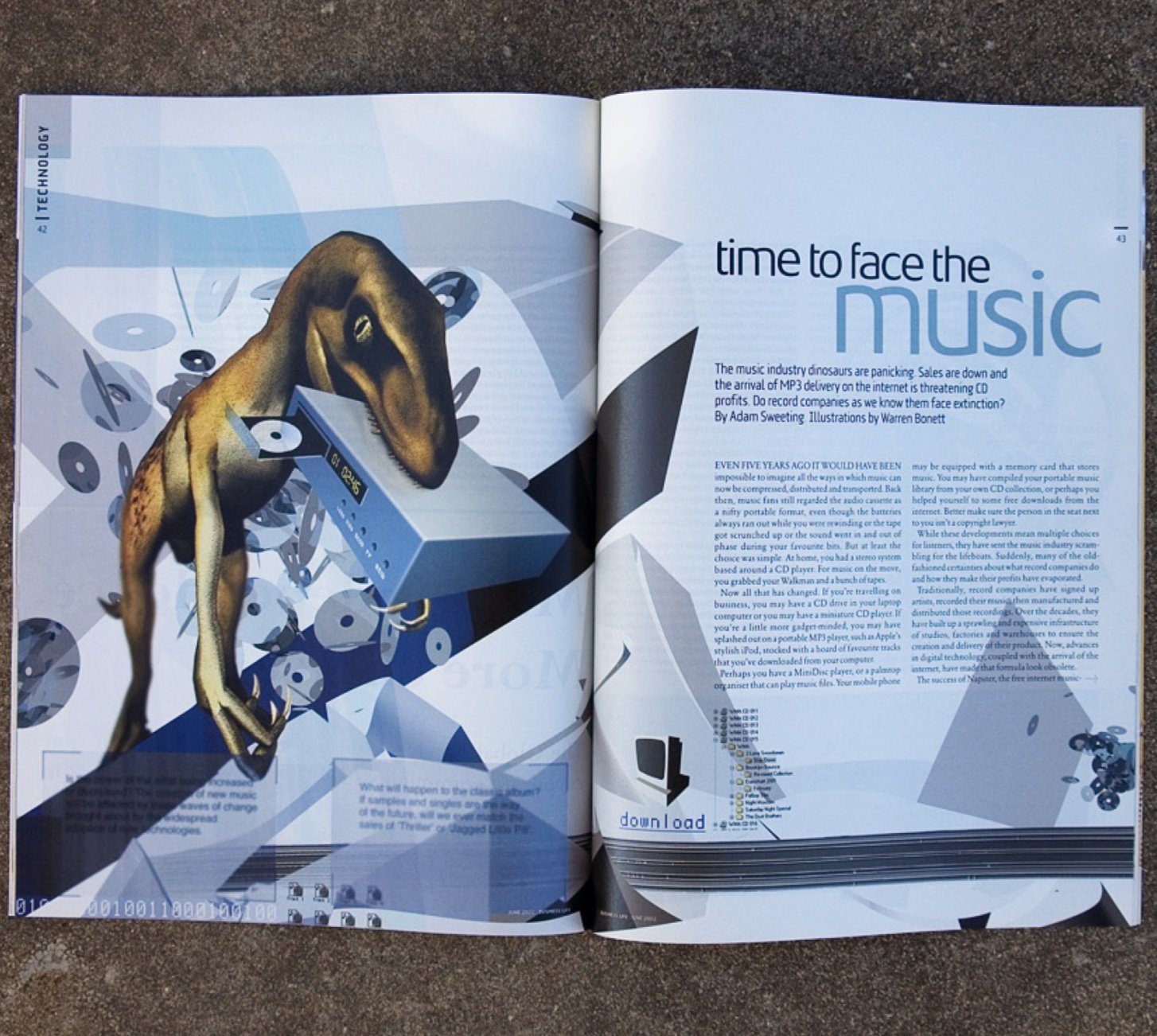
An illustration for British Airways magazine
Why I chose paint over pixels
For a long time, I worked primarily as a digital illustrator.
It made sense. It was fast, flexible, endlessly editable, and it fit neatly around deadlines, commissions and the realities of working in magazine publishing. But underneath the convenience, something in my practice felt slightly… borrowed. Efficient, yes but not entirely mine.
Today, I work almost entirely in traditional media.
The Golden Era illustrators
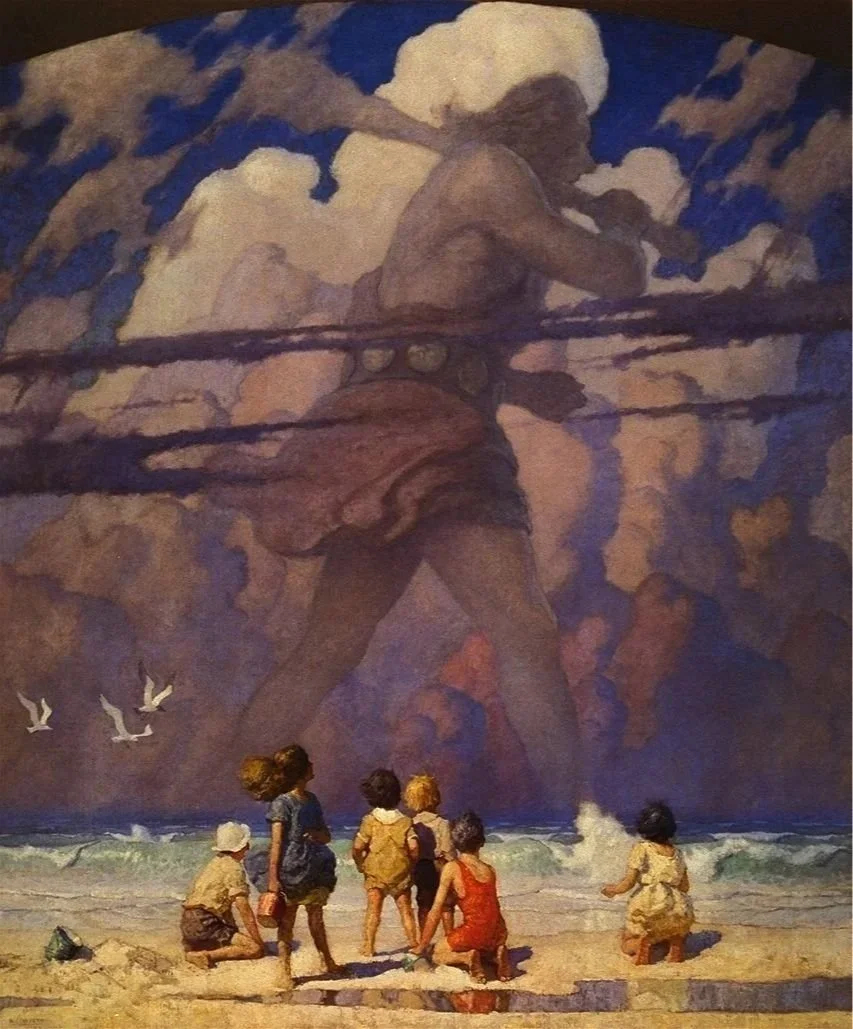
THE GIANT by N.C. Wyeth (1882 – 1945)
The Giant has hung in the Dining Room of Westtown School since 1923, a memorial from members of the Westtown Class of 1910 to their deceased classmate, William Clothier Engle (1891 – 1916). Commissioned by the class, the painting pays tribute to an artistic young man lost in the prime of his life.
Long before I ever owned a tablet or learned a digital workflow, I was absorbed by the visual language of the illustrators who defined the “Golden Age”. Artists such as Norman Rockwell, N. C. Wyeth, Jessie Willcox Smith, Arthur Rackham and Howard Pyle who shaped my earliest understanding of what illustration could be. Books containing their extraordinary work lined my step-father’s book shelves, alongside fine artists like Francis Bacon, Graham Sutherland, Paul Nash and Barbara Hepworth and comic book artists like John Byrne, John Buscema and like everybody else, Mœbius.
What has always stayed with me is not just their technical mastery, and imagination but the physicality of their work.
The great flood
The real turning point came in a way I never would have planned. A flood destroyed my digital archive. Two seperate hard drives on shelves out of the way. 10 years of layered files, working drafts, experiments, half-finished ideas and client work gone in one soggy and smelly event. My glorious bookshop Embiggen Books was flooded with sewage. Deeply unpleasant.
But much of my physical work survived. Paintings. Sketchbooks. Loose studies. Original artwork I had made without ever really considering that one day it might become the only record of that period of my practice.
Digital work had always felt safe because it could be duplicated endlessly. In reality, it turned out to be fragile in a way I had never fully reckoned with. My physical work, slower, messier and far less “efficient” proved to be far more resilient. It made it! That experience rewired my relationship with how I make images. And now that there’s such a thing as the Cloud, I save my digital files there … and on my computer … and on 3 seperate drives.
Slowing down changed the work
Moving back into traditional media forced a different rhythm into my process. There is no infinite undo. No effortless colour correction. No painless compositional surgery. Instead, I work through:
drawing that has to resolve itself properly before I commit … well mostly sometimes the paint has its own ideas
colour choices that need to be tested physically and then in reproduction
surfaces that respond differently every day depending on humidity, light, timing and some ineffable factor in my hands
Strangely, this has made my work more aligned with what I’m trying to do as a storyteller. Traditional media builds that space directly into the process. Although I do chaff at only being able to do so much in any given timeframe.
Where this leaves me now
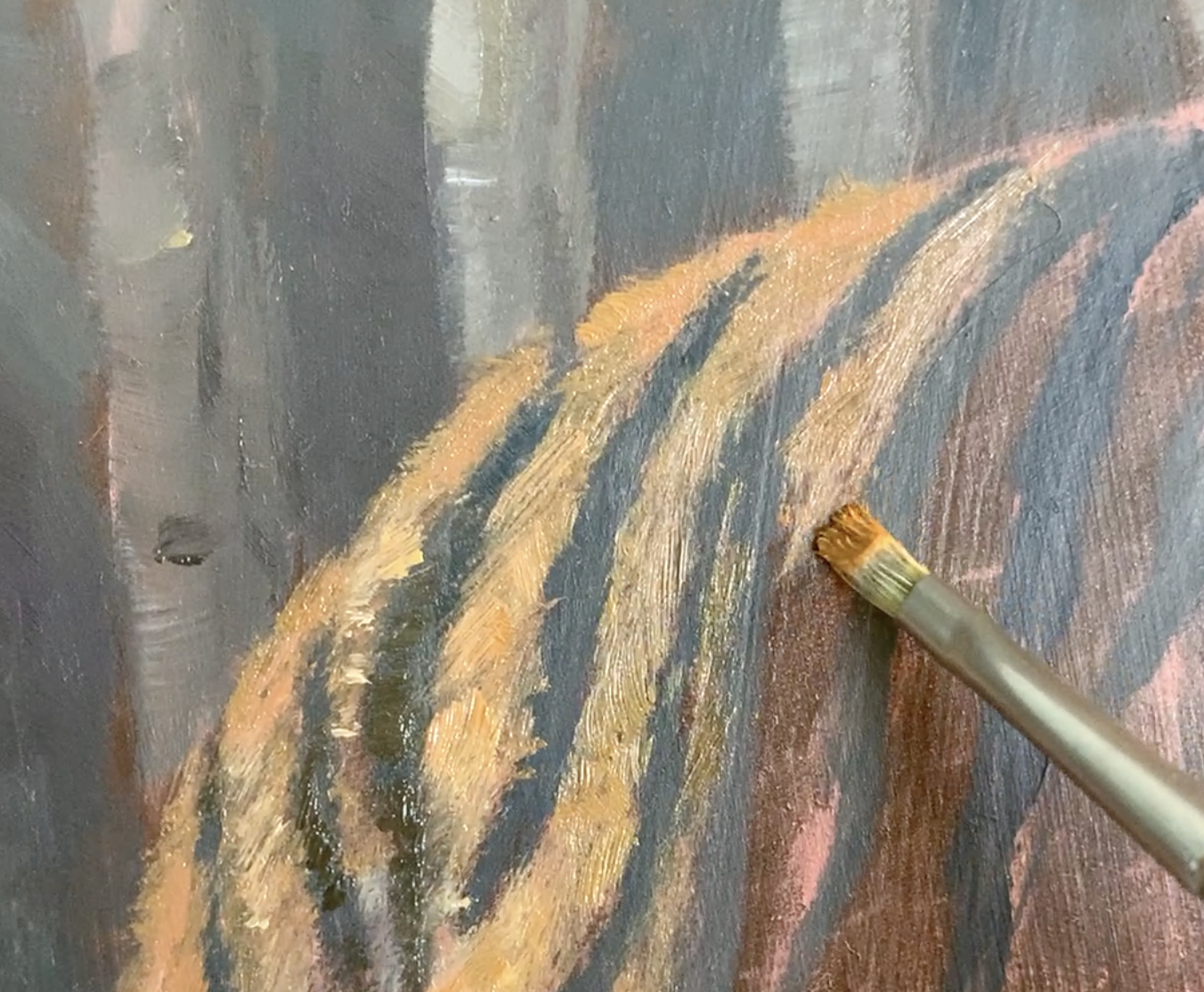
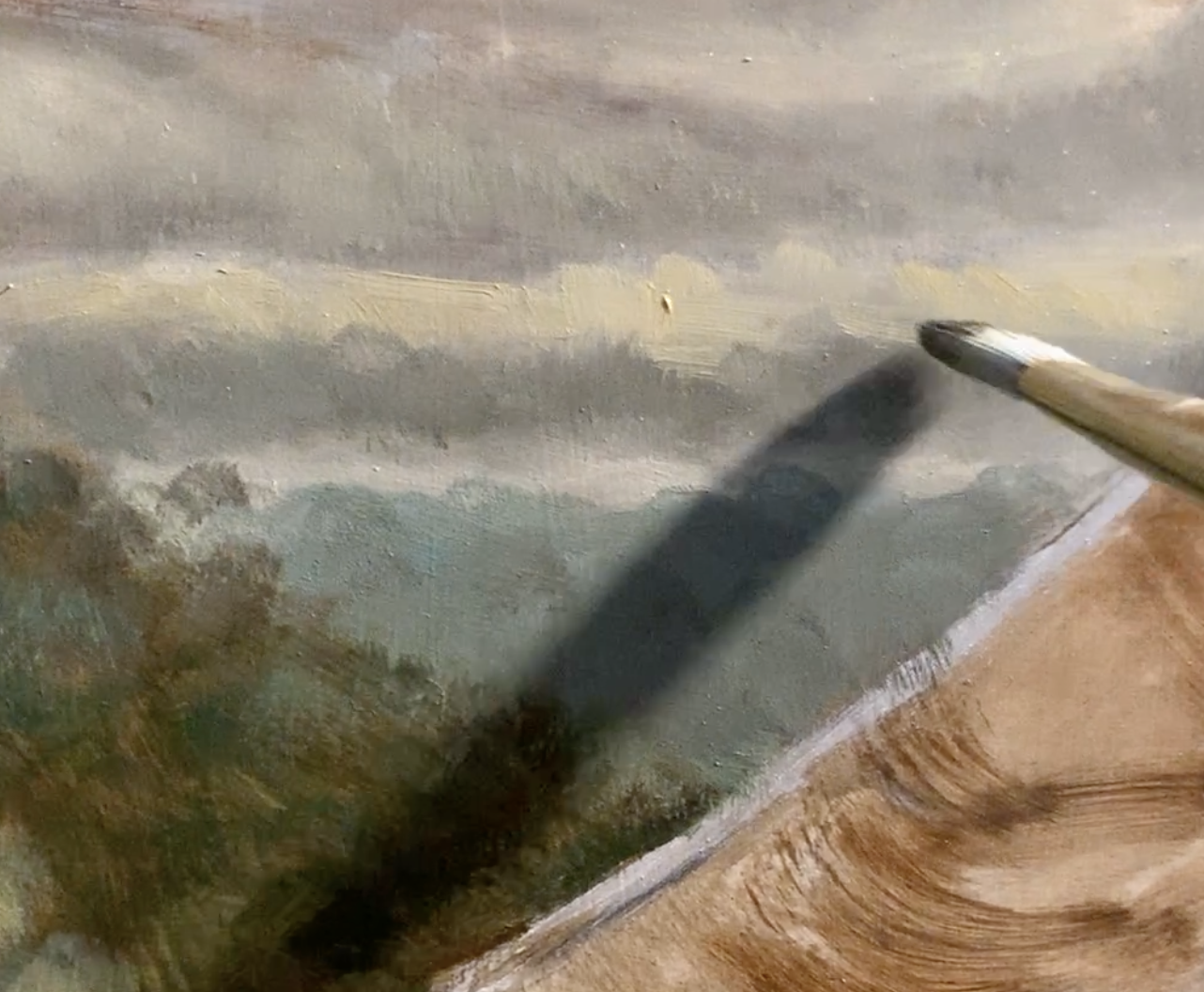
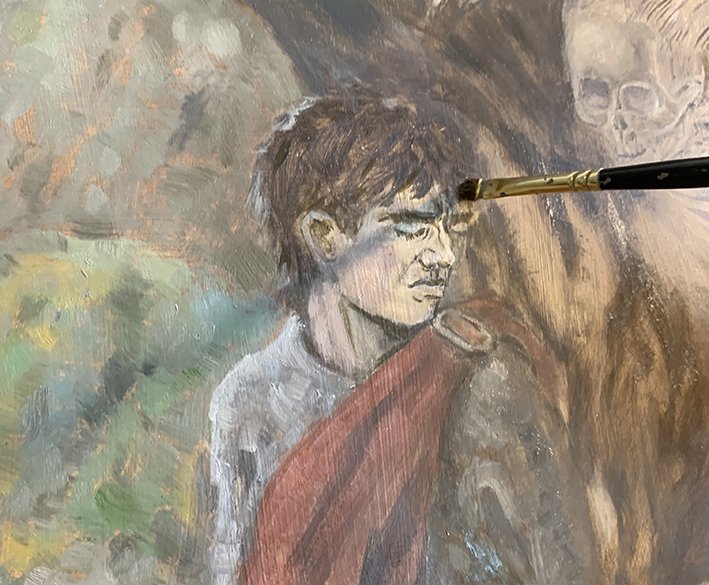
Today, I work primarily in traditional media on picture books, junior fiction and narrative non-fiction projects, as well as in fine art and commissions, the latter divided between mixed media, printmaking and oil painting. With subjects as varied as wildlife and pet portraits, to landscapes and abstraction.
I still use digital tools for planning and layout, but the heart of my work now happens on paper, with paint. After losing years of digital files and watching my physical work survive, the shift stopped being aesthetic and became practical, philosophical and deeply personal. I want to make images that feel tangible and be held and even outlast the software used to reproduce it.