Favourite Author-Illustrators (and the Books That Stayed With Me)
I’ve realised over time that many of the books I return to are made by author-illustrators not a team-up. People who are building the story and the visual world at the same time. Obviously there are other books by combinations or seperate authors and illustrator that hit me with their genius as well. Books by French and Whatley, Donaldson and Schaeffer, Saxby and Racklyeft, Bell and Colpoys, Fox and Horacek, or Godwin and Walker. In fact just mentioning them is enough to start planning another post about them! Good lord there are some great picture books out there.
These are a few that have stuck with me, and continue to shape how I think about illustration, storytelling, and what a picture book can do.
Shaun Tan – The Lost Thing
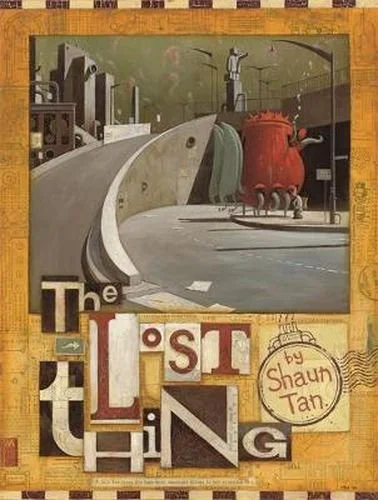
This is not just one of my favourite picture books, one of my favourite books with some of the best illustrations of all time. Ok, is that enough hyperbole?
It is a generous book, both from Shaun Tan and the publisher. Publishers aren’t often this brave. When it came out, Shaun wasn’t yet a household name, and the book itself is quirky, funny, dark, and completely unlike anything around it. You can imagine how difficult it would have been to pitch. What are the comparison titles? I’m guessing the second they saw the illustration all doubts would have evaporated.
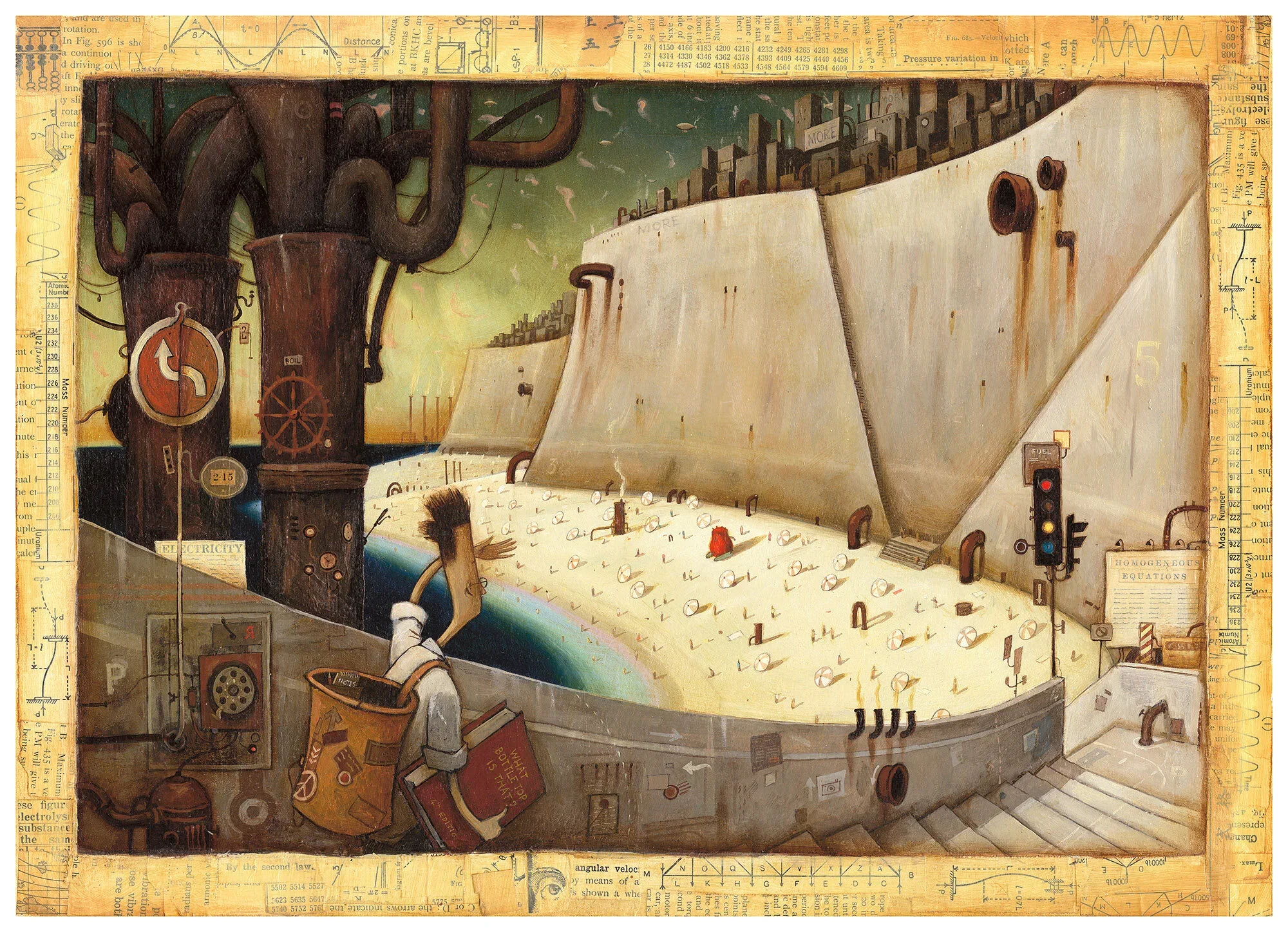
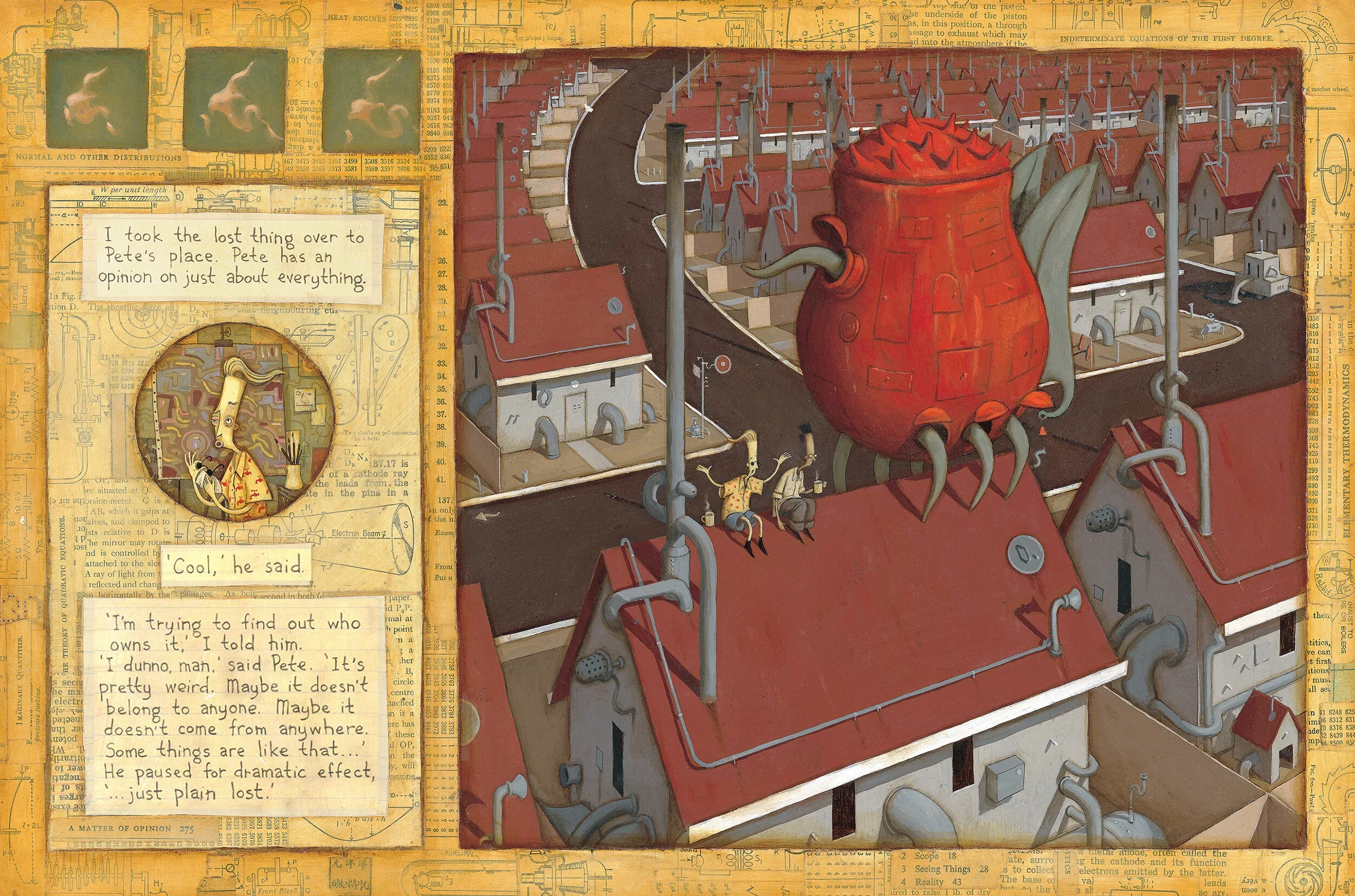
There are echoes of Australian fine art; the strange presence of the Thing itself; the ever present optimism of the wiggly arrow; and that use of vintage infographic collage as a framing device, which somehow deepens the world rather than distracting from it. Even the typography is handled beautifully. For me, this is peak picture book making.
And there’s the restraint, the unusual unique world is never explained it just is.
I must have read it with my kid at least 200-300 times. It even inspired an event I ran at the bookshop. I sprayed chalk arrows around the city leading to different bookshops, made a “Lost Thing” passport, and had kids collect stamps at each stop. The publishers supplied a prize. It turned into something much bigger than I expected and was a lot of fun.
Elise Hurst – Adelaide's Secret World
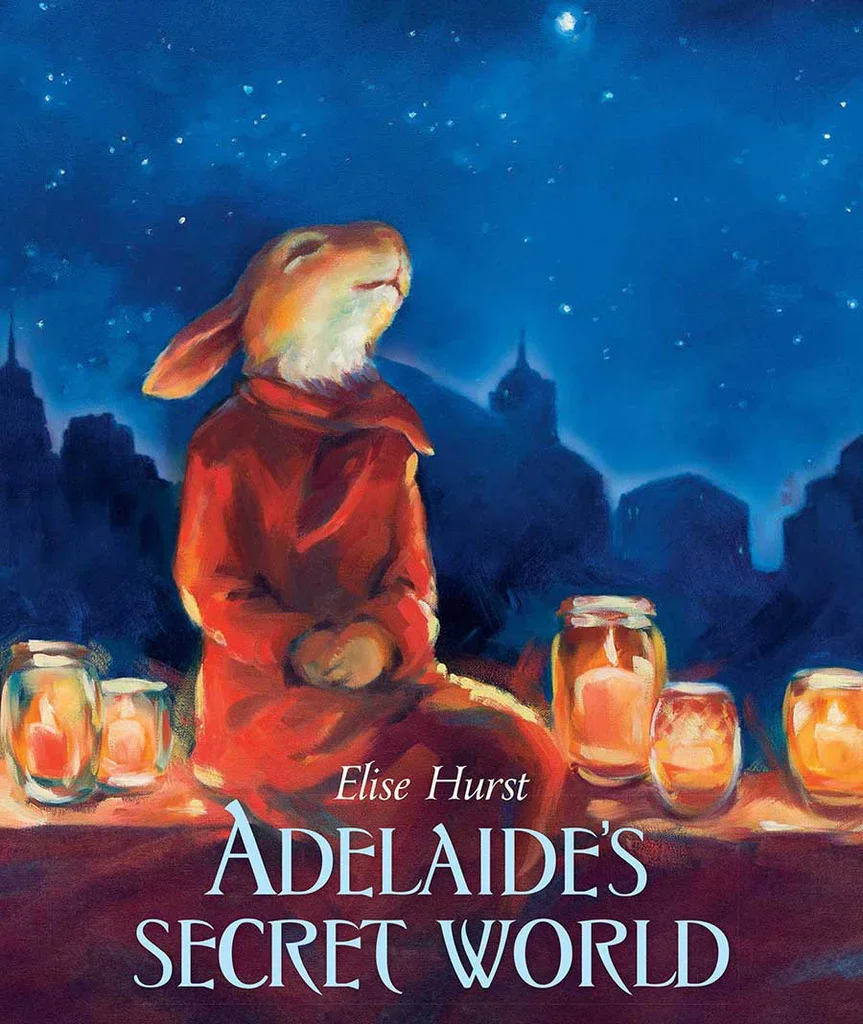
I had the incredible privilege of seeing this before it came out. I’d met Elise Hurst the year before when Imagine a City was released, which is a remarkable book in itself. She dropped into Embiggen Books, our little slice of joy in the Melbourne CBD, with a surprise. She’d just received her copies of Adelaide’s Secret World and handed one over. I was completely transported. It hit straight away and like I frequently do with emotional honesty found I had something in my eye.
The protagonist carries this quiet, private joy in the world, but she holds it alone. Not a sad kind of alone, more a wistful melancholy. The joy feels smaller perhaps because it isn’t shared. Then, in the noise and chaos of the city, something shifts. I won’t say more than that, go and find a copy to see this beautiful story/feeling/experience unfold for yourself.
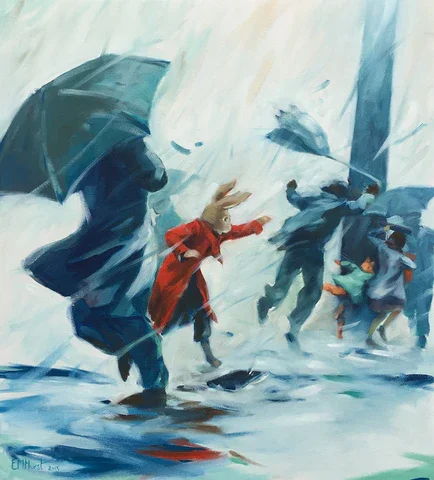
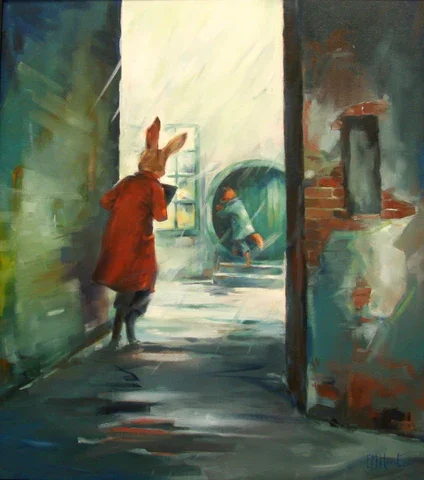
Elise Hurst is one of the finest author-illustrators working anywhere or any time. Her loose energetic brushwork is confident and purposeful and makes for truly moody atmospheric storytelling. It’s also a great example of how much atmosphere can carry a story. And if you like this one, you’ll absolutely lover Elise’s newer Storyteller’s Handbooks, but in these each spread is it’s own inspiration it’s own story and the illustrations are in the most sumptious pen and ink illustrations you’ve ever seen.
Graeme Base – The Eleventh Hour
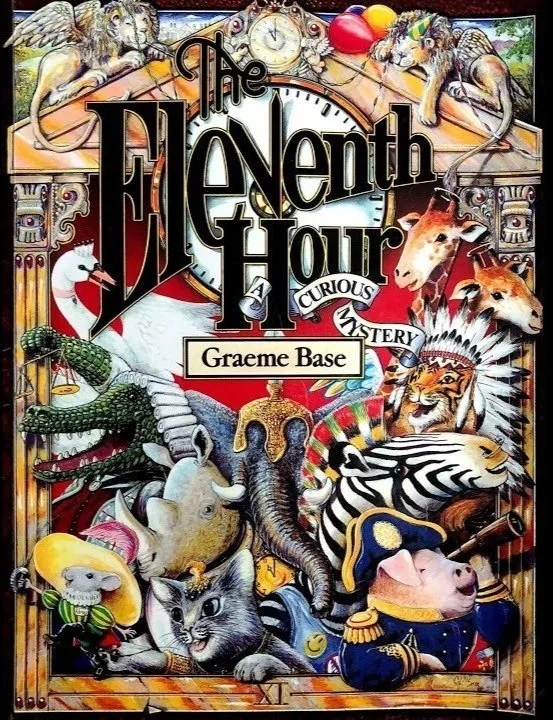
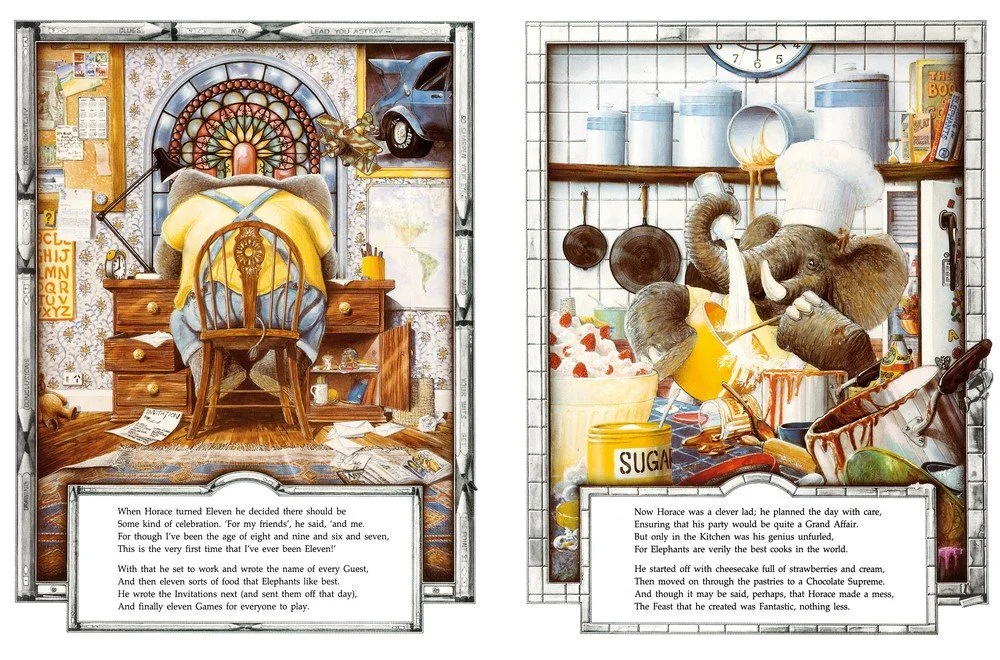
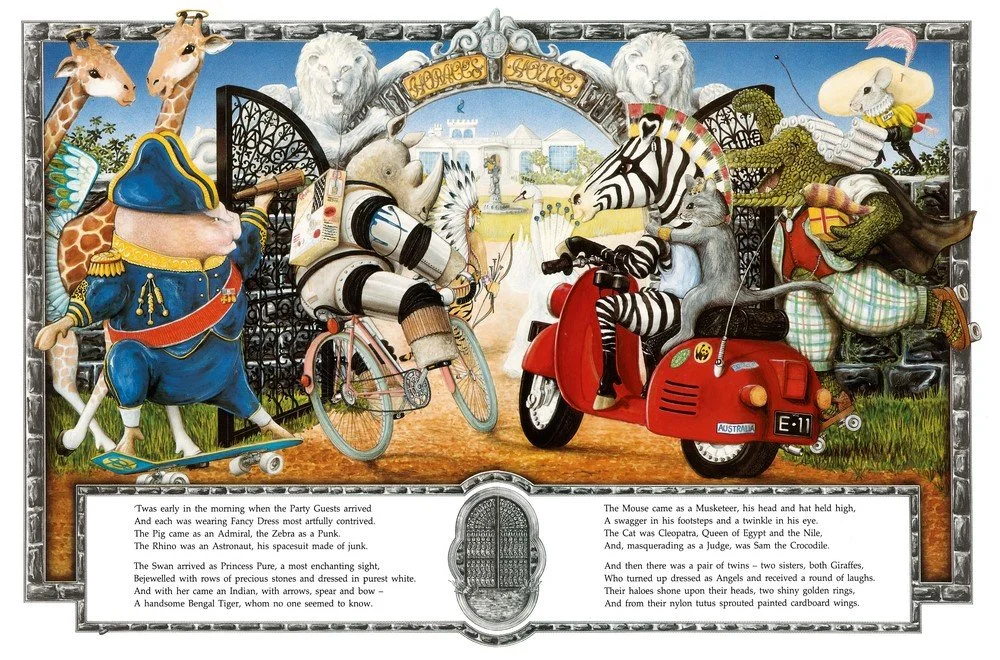
This came into my life a bit later than most people. I think I was around twenty, but wow what a book. Not the emotional rollercoaster of the first two here, but a fun filled intricate poetic puzzle.
It’s one of those books where the detail isn’t decoration, it’s the whole point. Every object is clearly considered. Every corner of the page is doing something. And then there’s the puzzle. The reader has to start the book again, look properly, and piece things together. It asks for time and attention in a way most books don’t. Sooo clever.
It was another one that bore repeated visits, even after the puzzle was solved. Each spread an work of art with detail to explore for days. And that is Graeme’s brand, if that phrase isn’t too awful for words, but it is. Magnificent, artistic highly detailed works that bear exploration again and again.
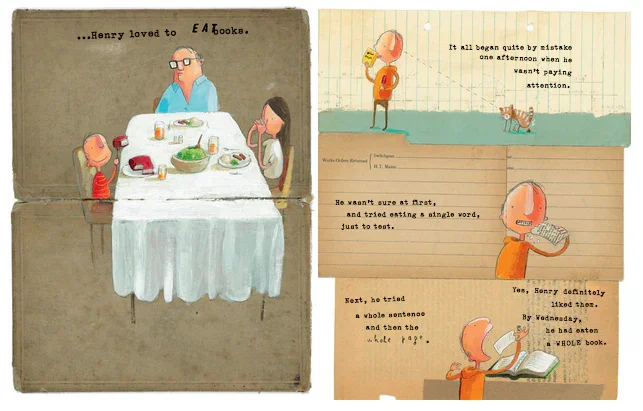
Oliver Jeffers – The Incredible Book Eating Boy
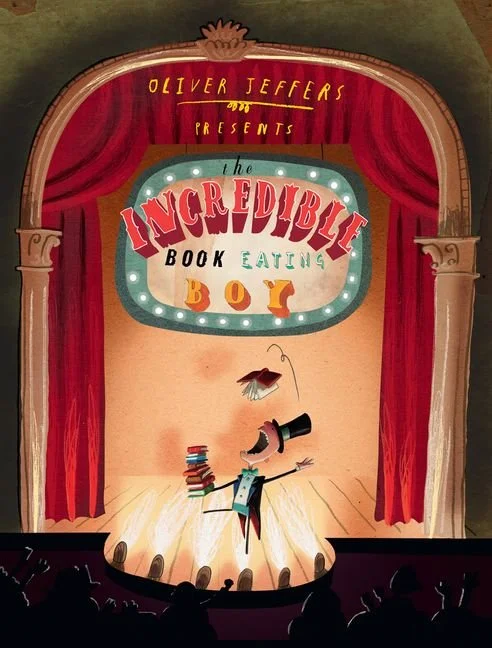
This one looks simple at first, but it’s not.
Oliver Jeffers, like Graeme Base, is a bit of an author-illustrator rockstar. His influence is everywhere. The way he handles hand-drawn type is particularly seductive. You see echoes of it across picture books, book covers, advertising, album covers and fine art. He brings strong fine art sensibilities together with a kind of playfulness that just keeps working. But The Incredible Book Eating Boy is my favourite.
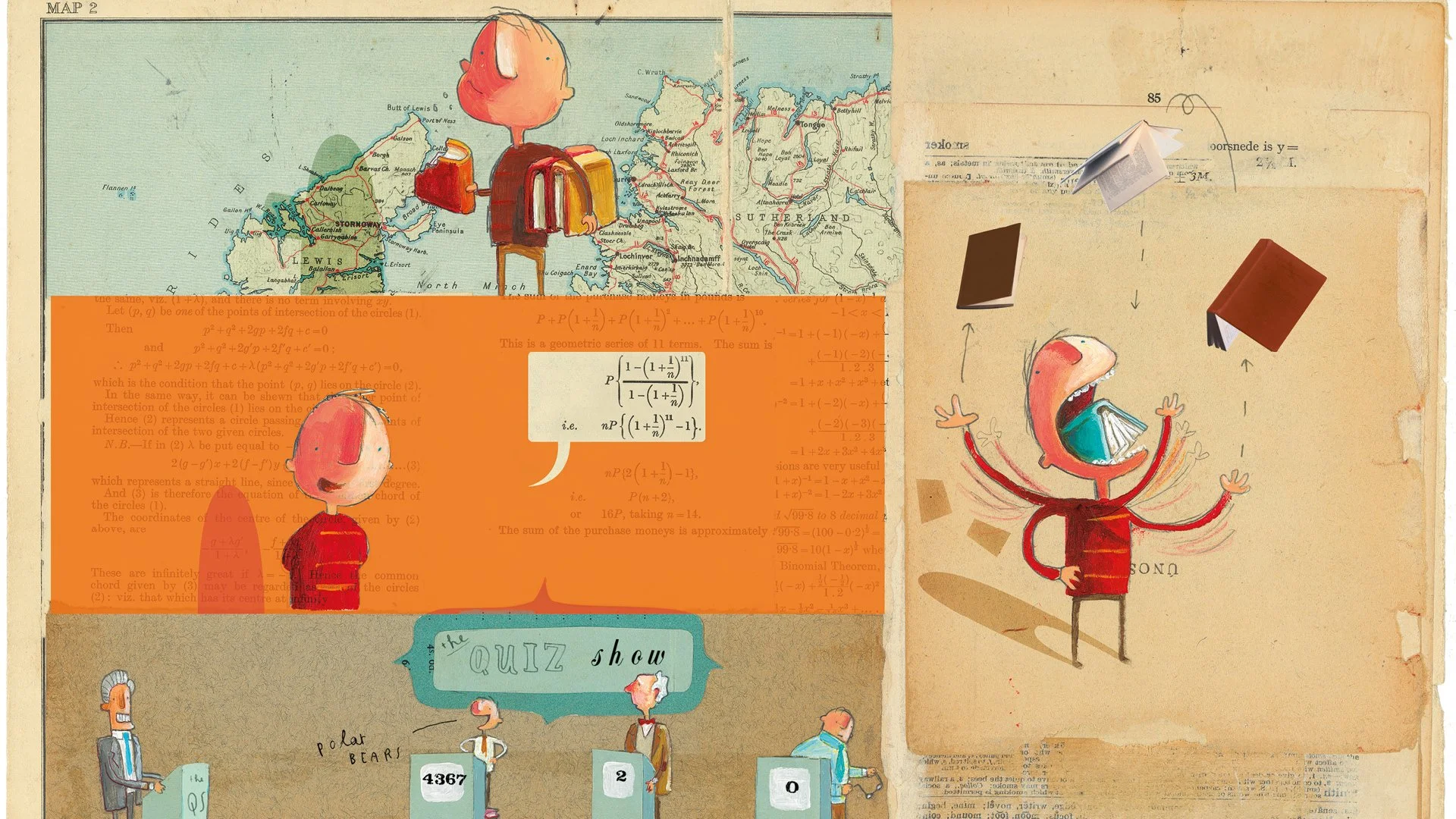
The drawings feel loose, almost throwaway in places, but everything is very well designed and balanced. The collage, the pacing, the way the text sits inside the image. It all feels effortless, and it may be for him, it wouldn’t be for me. He draws directly onto old book pages, maps, scraps of text. It’s literally a book made out of books, which is such a good idea it almost disappears. And kids seem to pick up on that straight away. And the absurdity of eating books, the bitten-out pages, it’s just genius.
But obviously it’s not really about eating books, it’s about what it means to learn from them. There’s that moment where everything gets mixed up because it hasn’t been properly digested, which feels uncomfortably accurate. It also reminds me in some ways of the way younger kids devour learning, naturally and ironically without thinking about it, and then one day they get a bit older, and everything becomes formalised and structured. The book probably isn’t about that, but hey as a reader I can bring anything I want to the table.
And surely everyone who’s read it has, at some point, looked at a weighty tome and thought, “can’t I just put it in my head more directly?”
Zeno Sworder – My Strange Shrinking Parents
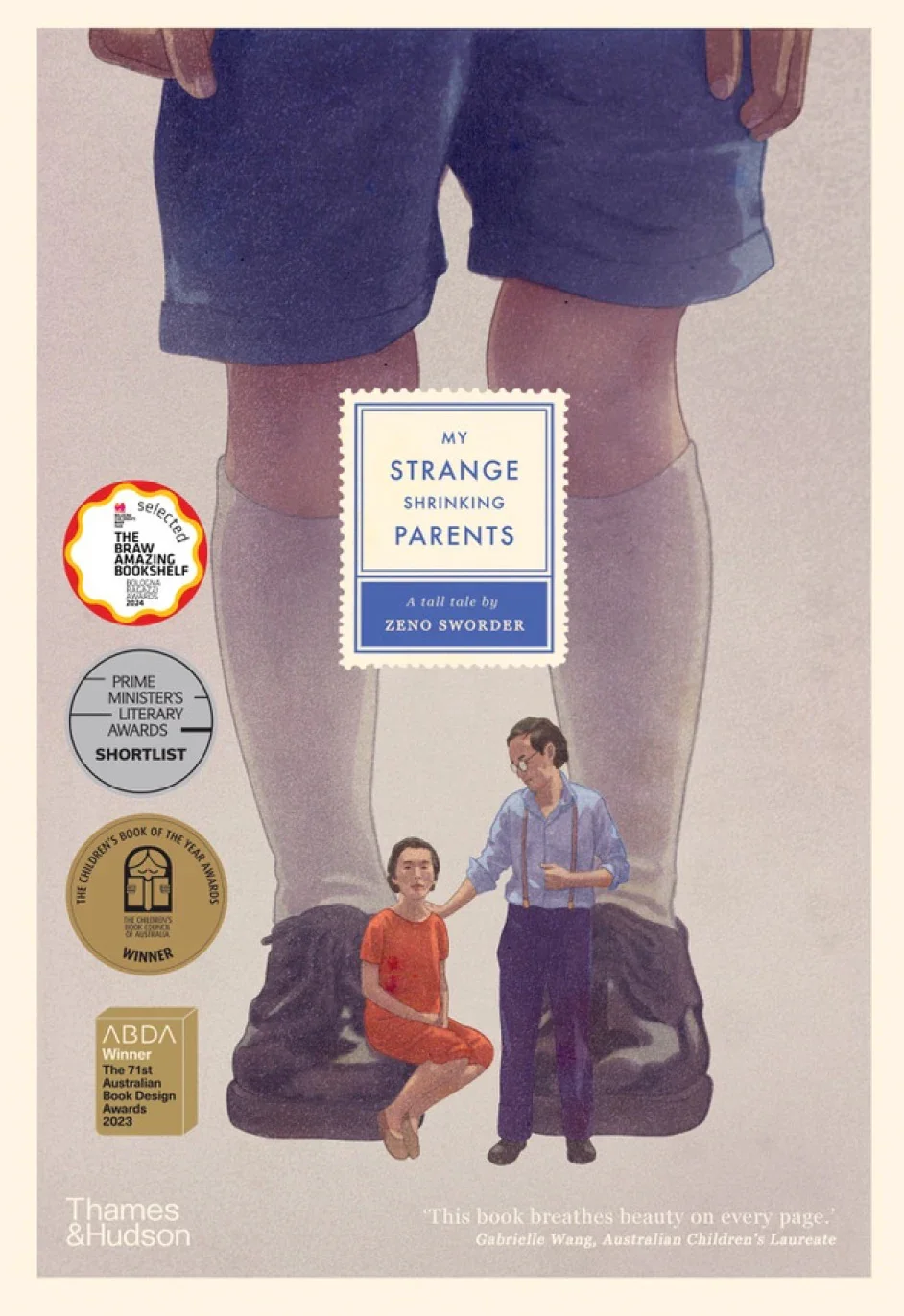
As a parent or perhaps even a child, you can sense what the title metaphor is before the cover and first page is turned. That what a totally magnificent title!
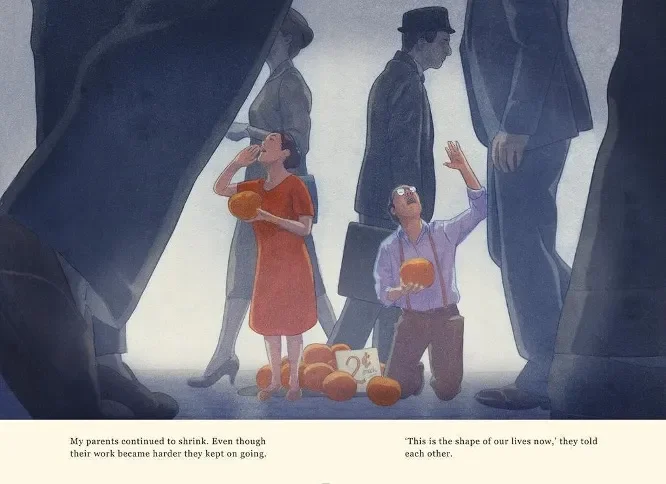
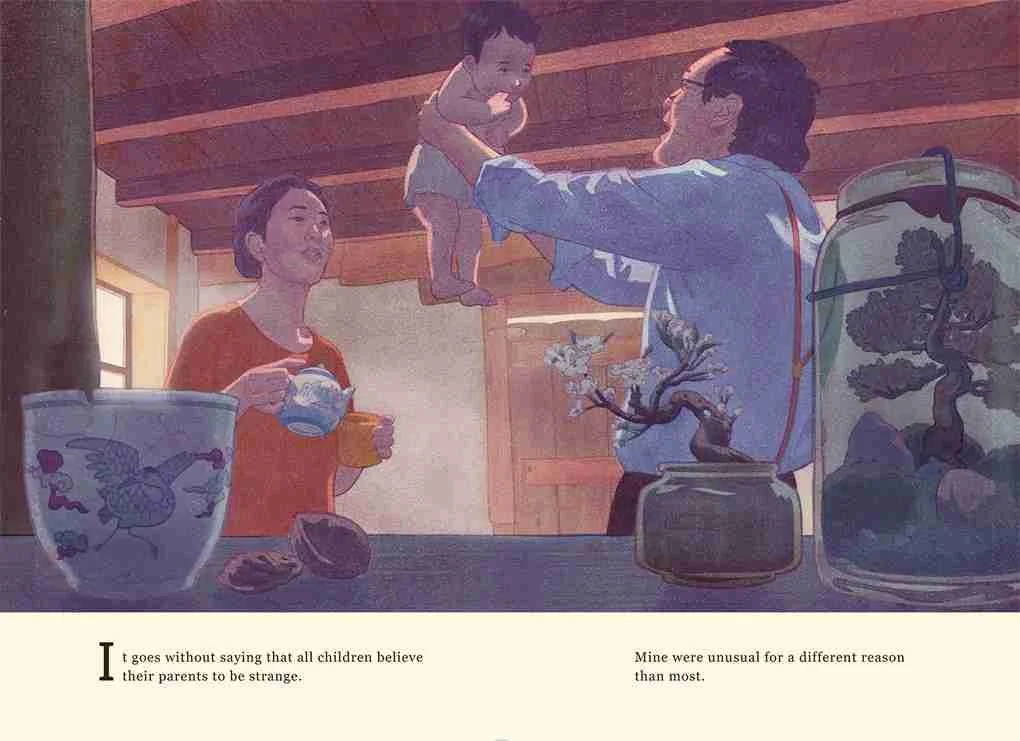
It’s built around a simple idea, but it carries a so much power. The shrinking works on a literal level, and as a way of talking about something harder to name. Growing up, roles shifting, the utter discombobulation of that. But really, let’s talk about the artwork. Seriously! Has watercolour ever been used to such a high level in a picture book. Every single page is framable. It is beautiful, evocative, and soaking with deep love for family and the tragedy of life.
A lot of readers talk about how emotional it is, and it totally is for me too. The images are doing a lot of the work, especially in the way scale changes across the pages. Rooms feel larger, distances feel longer, and the characters feel more fragile inside it, and the story isthe very definition of poignant told in ordinary everyday language.
Freya Blackwood – The Boy and the Elephant
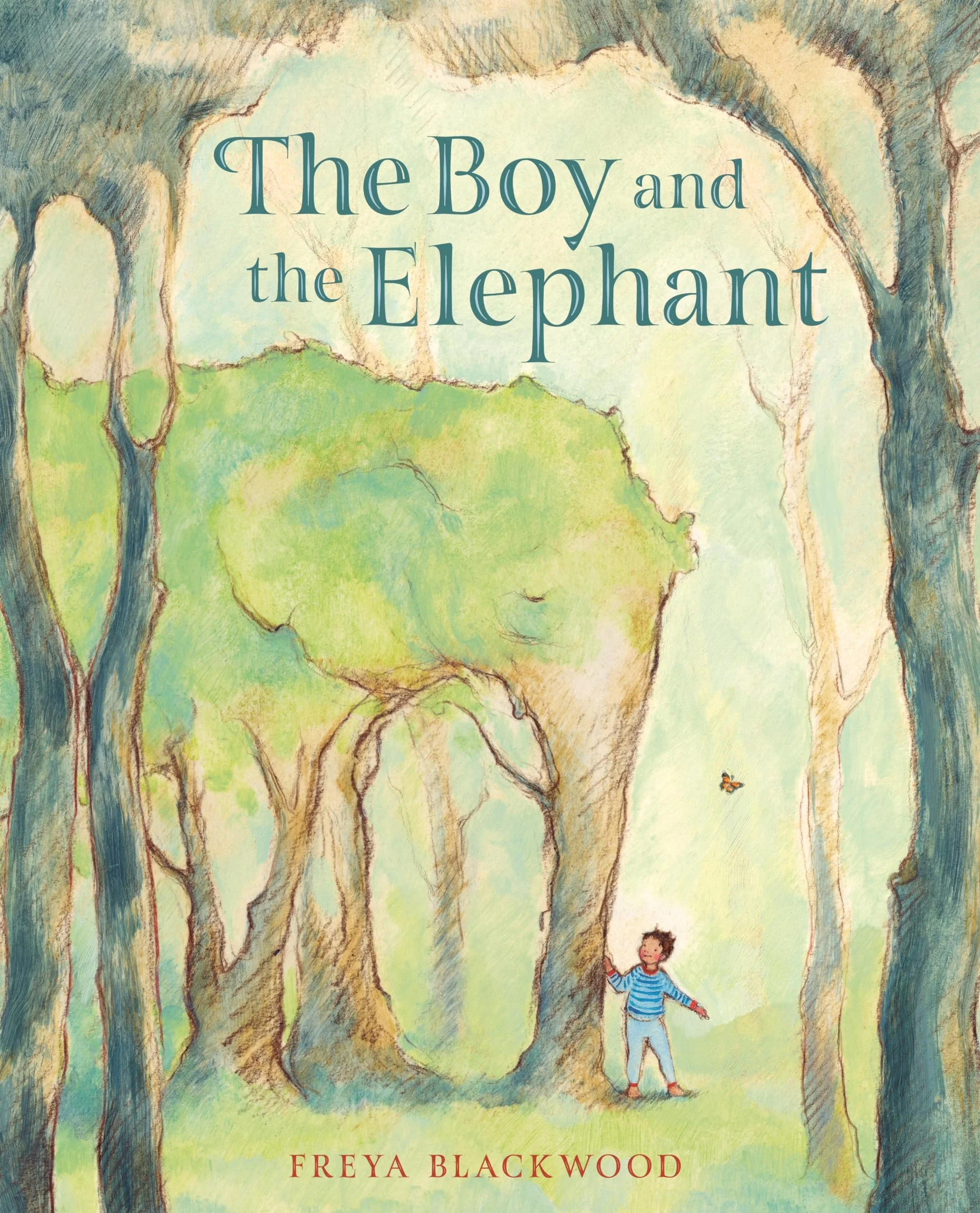
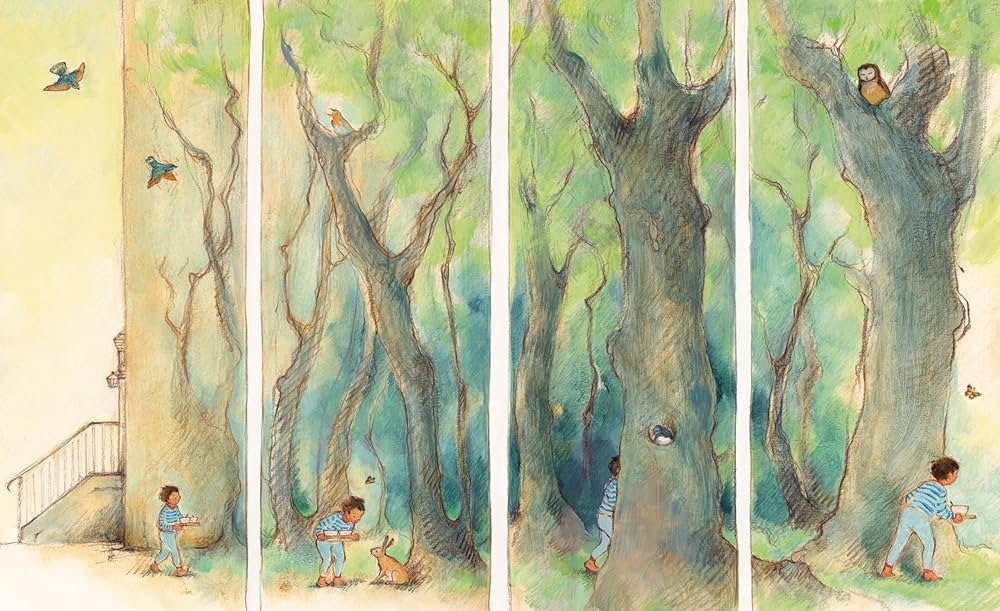
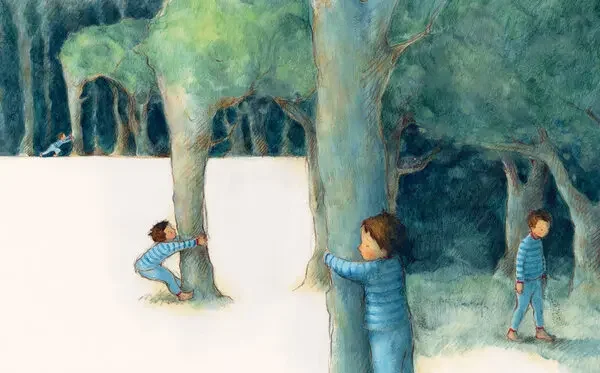
This is the very definition of a quiet book. I’ve seen reviews describe its themes of conservation and care, but what stayed with me is the relationship. The way it’s built through small intimate gestures with just enough information to hold the scene. There’s a lot to aim for as an illustrator and as a pure storyteller, and all in a perfect blend of painterly loveliness and economy. There’s beautiful detail, light and space, and a great flow across the page.
Other reviews mention how gentle this book is, which is completely true, but there’s also something slightly heavier underneath. Loss, responsibility, the sense that the world is larger than the character can quite manage and Blackwood trusts the reader to feel that without spelling it all out.
Anna Walker – Mr Huff
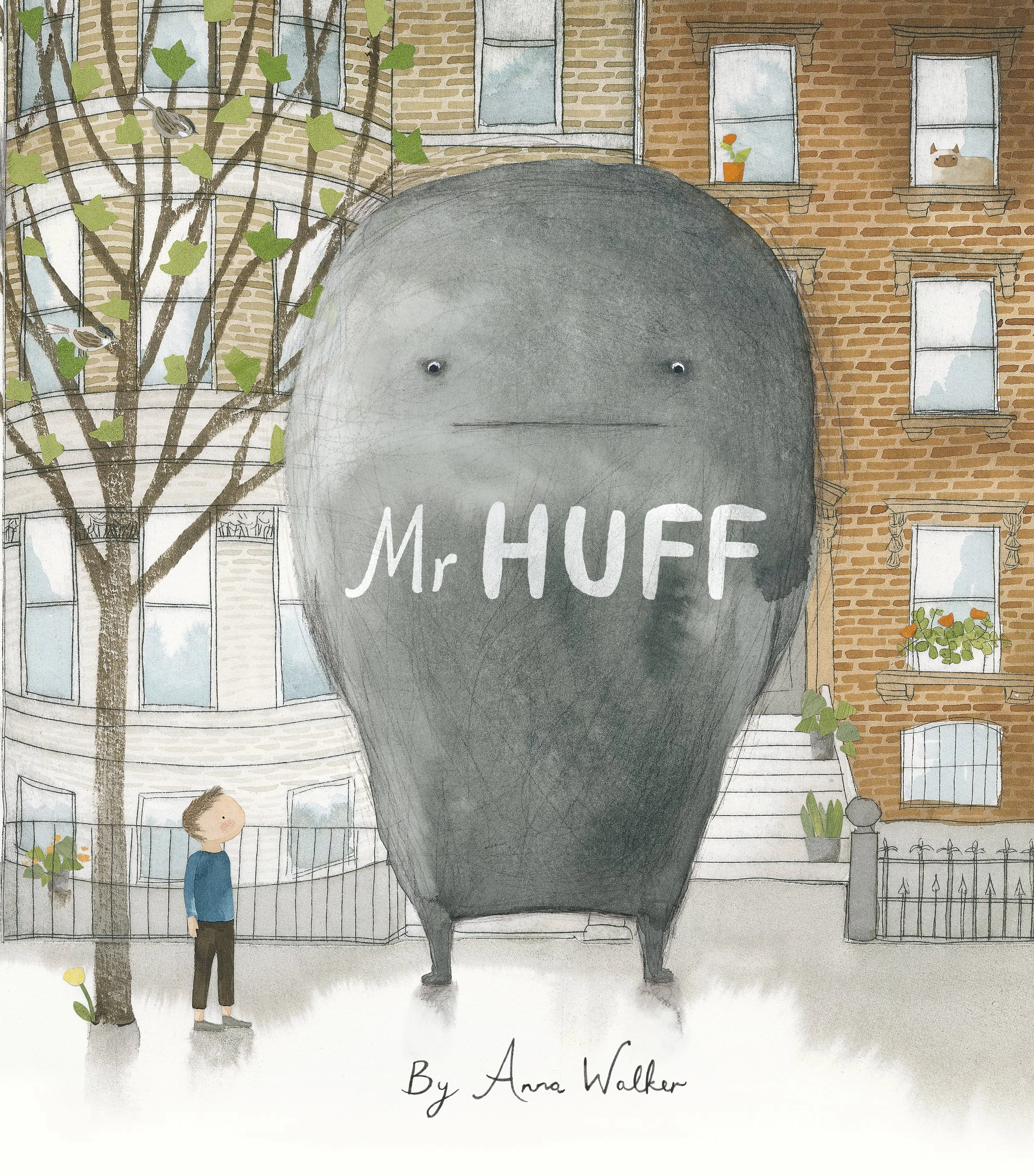
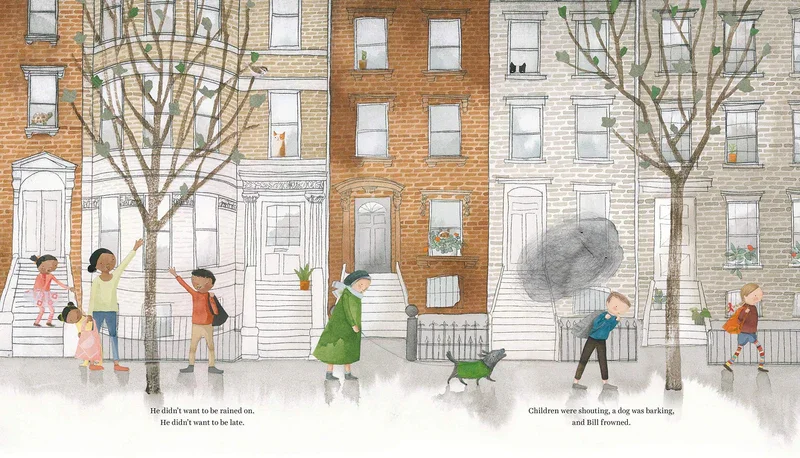
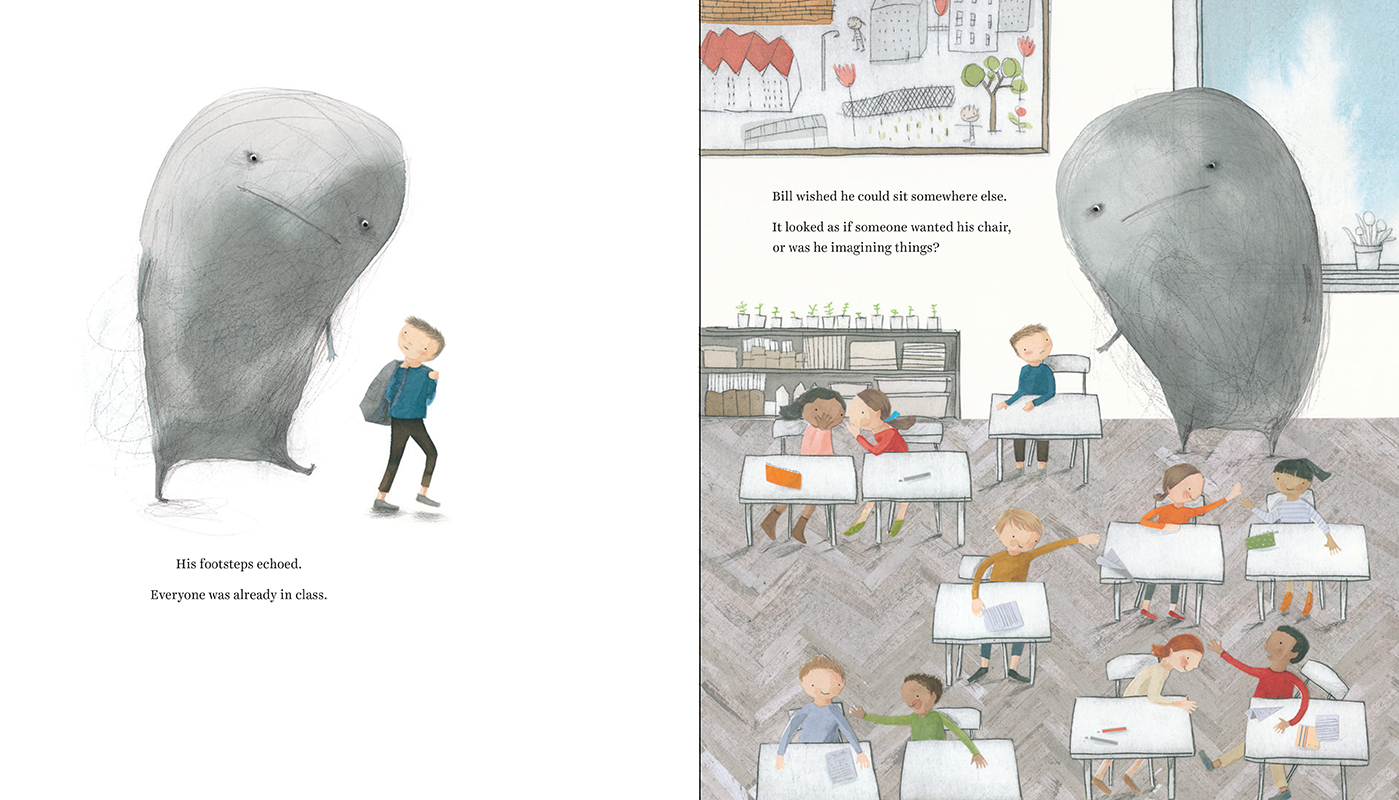
There are a lot of picture books about anxiety, but this one feels lived in in a way that you know the creator just has to get it. Get what it means to live with anxiety.
Something heavy and persistent follows the main character around, shifting in size and weight depending on a given scenario. What stands out is how physical it feels, which is really down to the beautiful illustrations and truly tremendous character design. Anna is a playful illustrator. You can almost see the experimentation she has done in the lead up to the book’s creation. The expressions, the body language, the fun she has with her skilfully rendered backgrounds. Then there’s the way the character moves through the page, the way space closes in and opens out again. You recognise Mr Huff for what he is without being told.
A lot of books in this space lean towards explanation or reassurance but Mr Huff one doesn’t rush to resolve anything. It just sits with the feelings long enough for it to just be real.
I chose this book of Anna’s instead of the glorious Florette, even though she created the most glorious window for this in my old shop, because I’ve had a lot of experience with kids experiencing debilitating anxiety. And this book creates a real way for kids and adults to come together with a visual and narrative language to talk about it. It makes for a wonderful prompter in a classroom or home setting in getting kids to draw and create mini stories about the big feelings that follow them around.
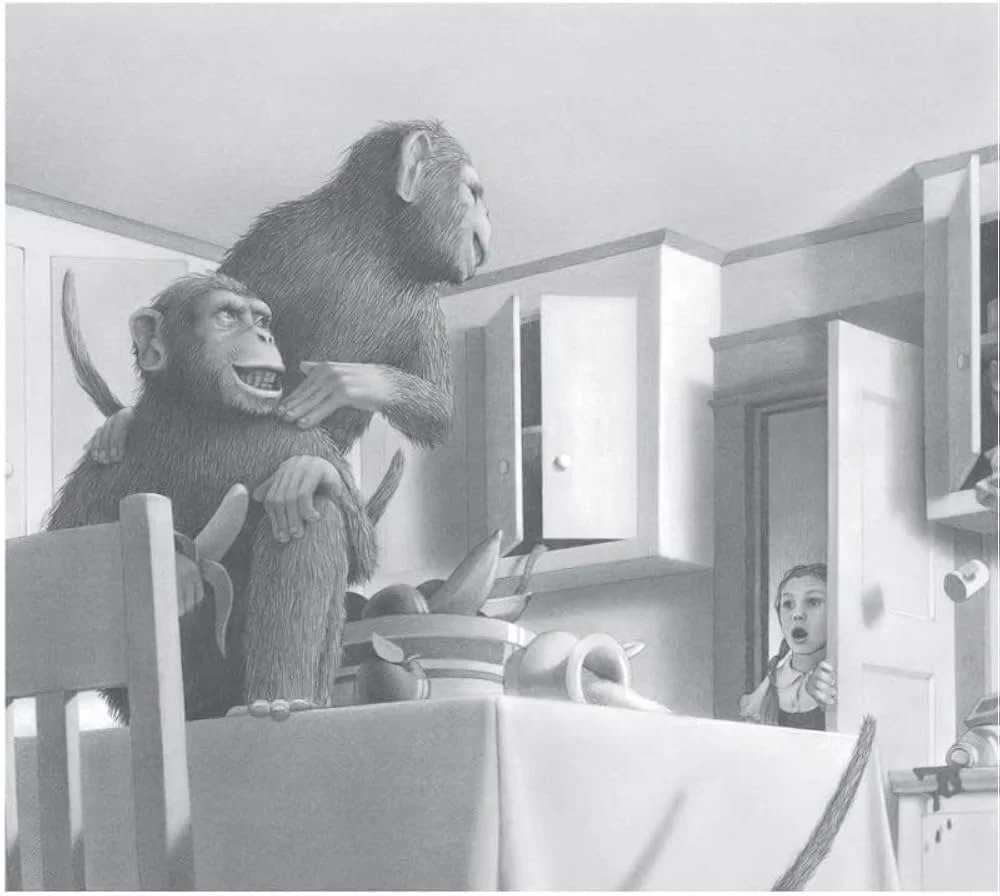
Chris Van Allsburg – Jumanji
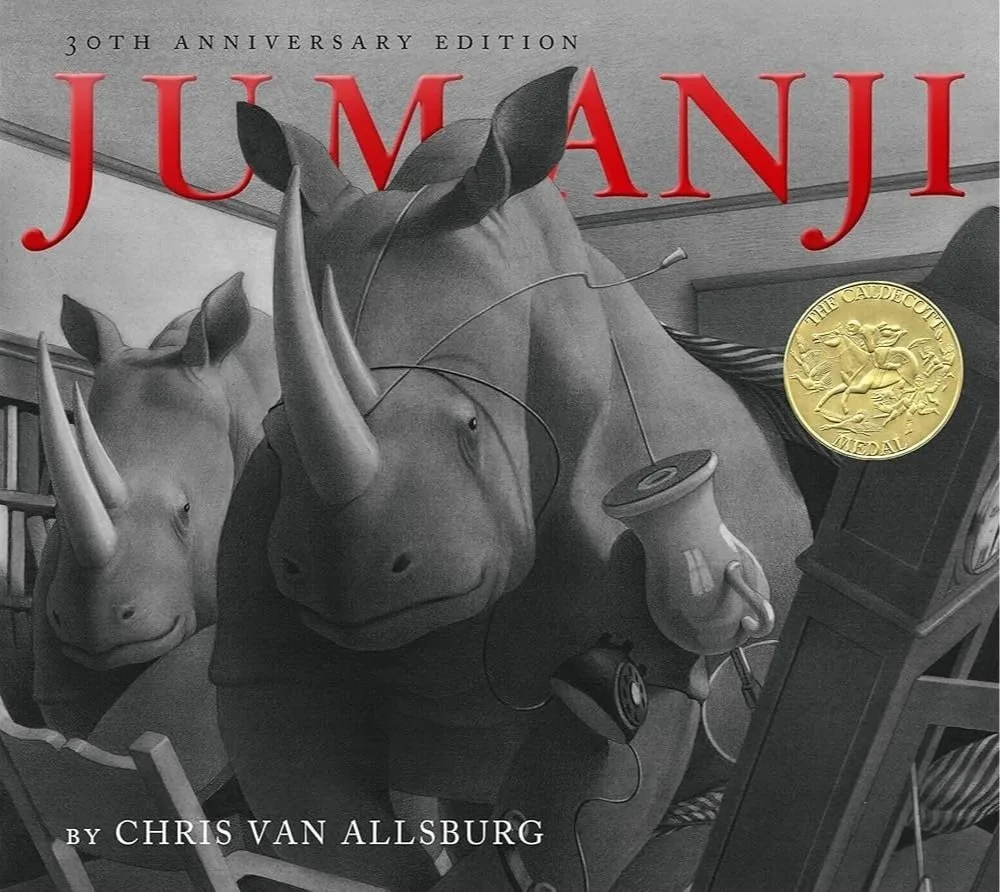
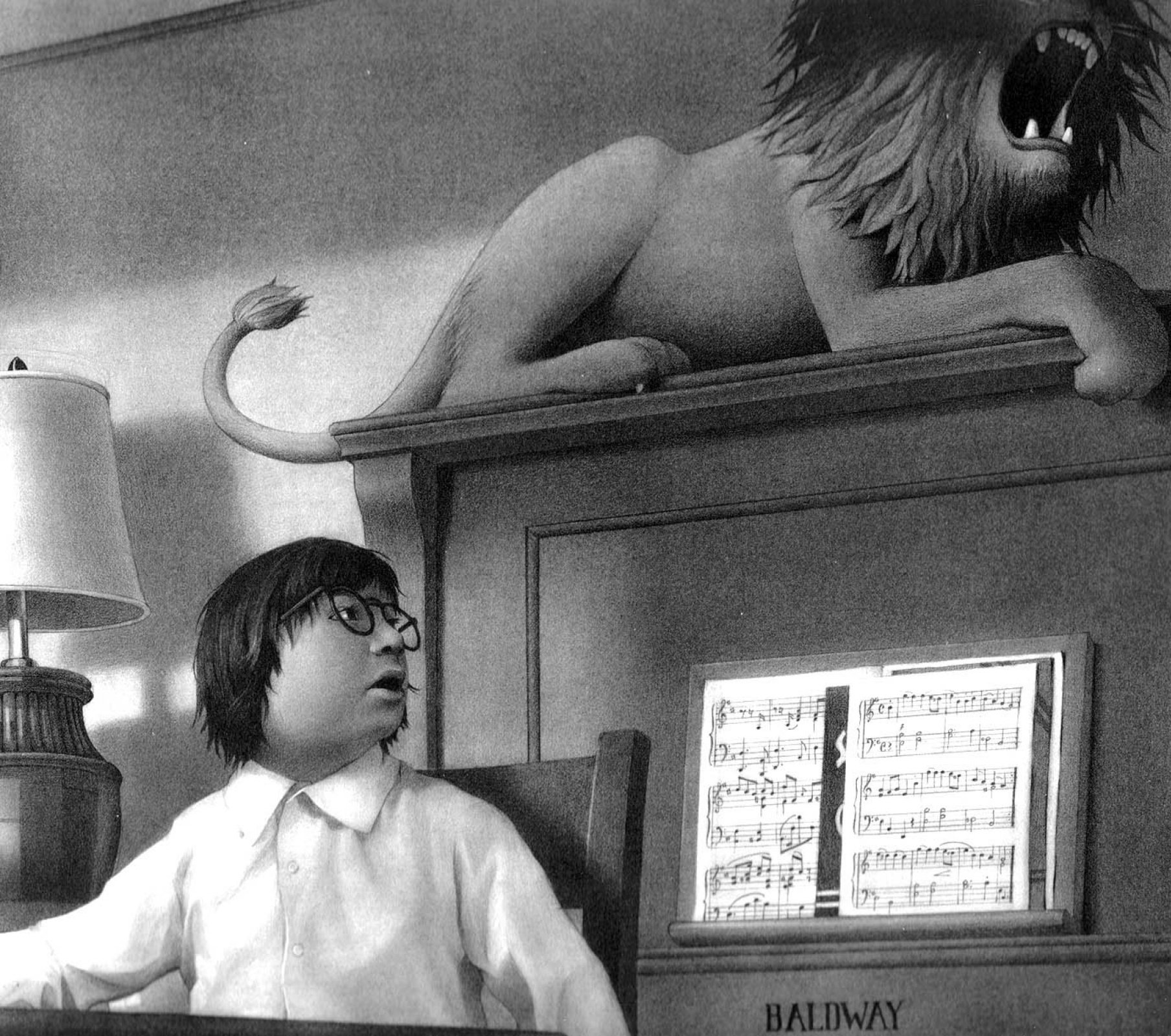
I remember first seeing this book on a table display in a bookshop in the 80s. The cover stopped me. I was an adult, I had no kids but I bought a copy straight away. At the time I drew a lot for fun. Nothing to show anyone other than family. In Jumanji, the realism of the drawings combined with something completely surreal and playful, shaped my drawings for the next few months. I would copy a drawing or two and perfectly as I could and then try drawing other animals and creatures in the same vein. I think I may still have one or two of these in one of the diminishing number of boxes carrying my increasingly old and dusty things.
The story’s focus on imaginative play becoming real feels completely aligned with the artwork. The familiarity of the medium helps. It looks like something anyone could attempt. A simple grey lead pencil, even if it’s being used with real virtuosity. It invites the reader to try and draw stories and try to make them beautiful.
As with Mr Huff, Jumanji is a fantastic classroom tool. It could be the heart of a lesson on how to manage light and dark in a drawing, kids drawing their own animals running amok or developing their own game to play. Brilliant.
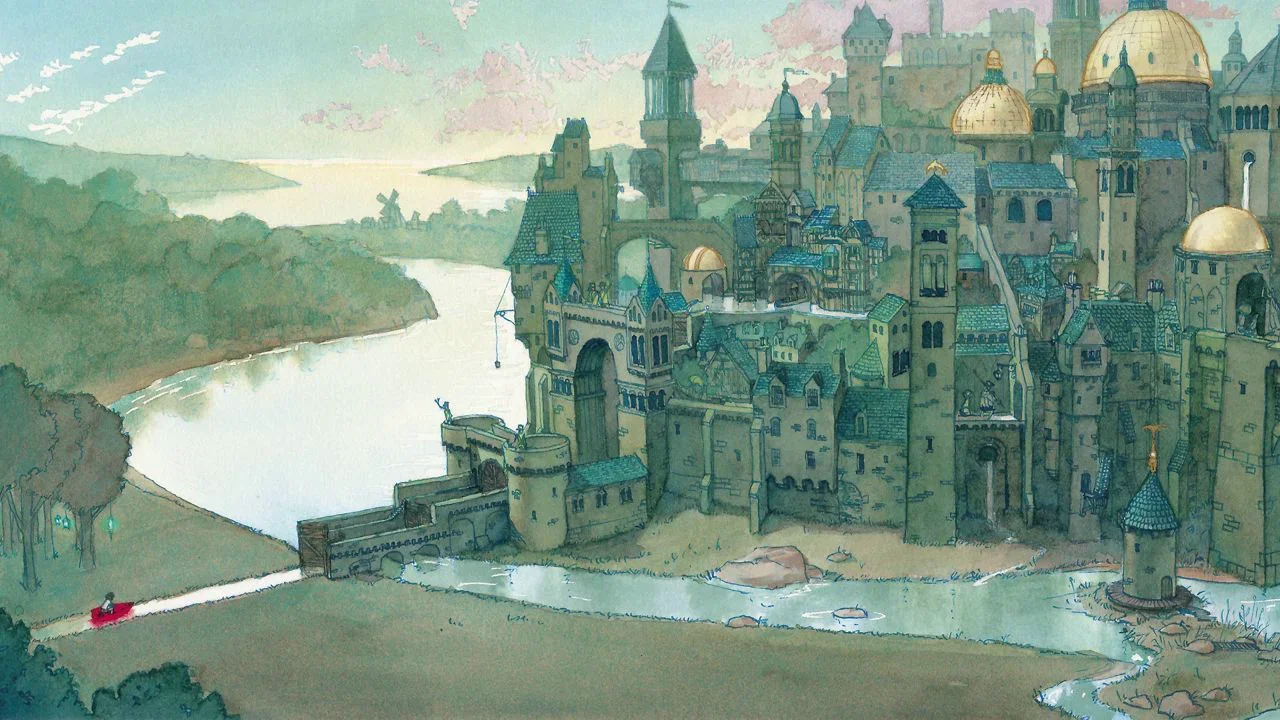
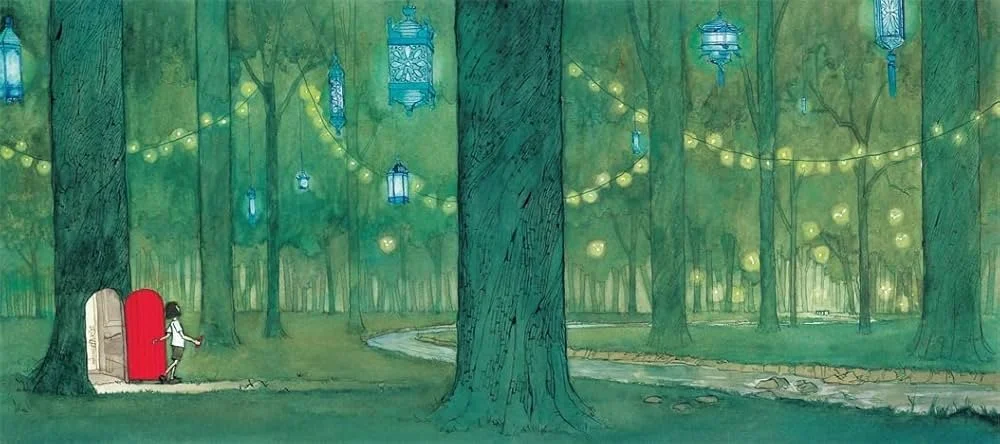
Aaron Becker – The Journey
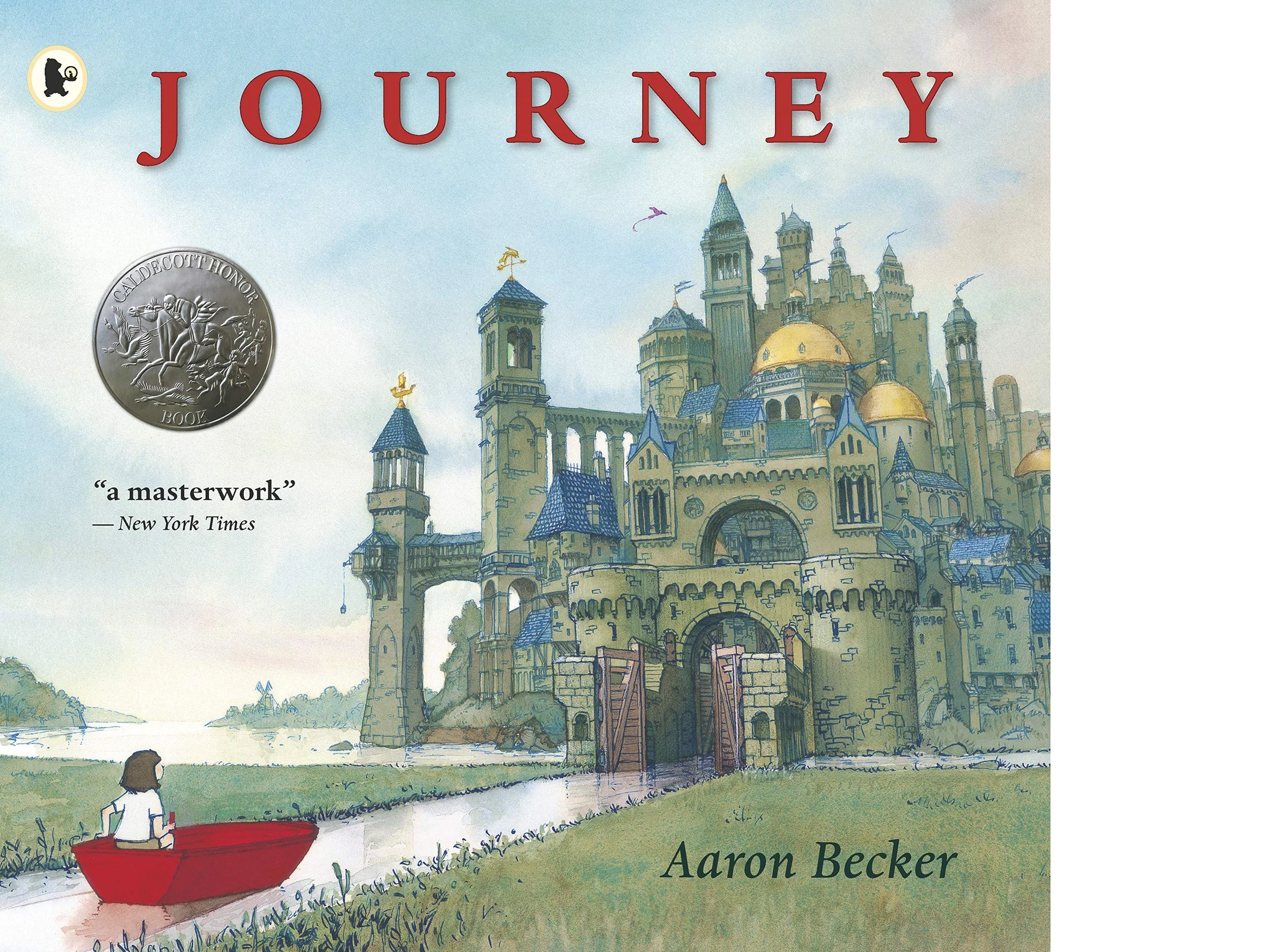
When I first saw it I was ordering books from the sales rep who’d come into the shop to show me the books for that month. They led with this one. They knew me very well. Beautiful imaginative adventurous picture books. Had my name all over it, well Aaron’s but you know what I mean.
This has become the book that people refer to when they talk about successful wordless picture books. Everything is carried effortlessly through the images. The pacing, the logic of the world, the emotional shifts. There’s no text to lean on, so every design choice matters, but I can also see how Aaron may have been just desperate to paint a castle, or an epic landscape and to find a reason to do it. It’s also part of a trilogy, which feels important. Not in the sense of stretching an idea out, but in building something that can actually sustain itself and stays coherent.
A lot of wordless books struggle once they move beyond a simple idea. But Journey is an intricate and visually rich story, one of the few that genuinely is a journey into imagination. I know that is a horrendously overused metaphor but it’s true for this one! There’s also that familiar starting point. A bored child, a red crayon, a door into somewhere else, echoing Harold and the Purple Crayon, but then builds something even more layered and wondrous. And like that book, the reader is gently guided through an adventurous leap of faith.
David Wiesner – Tuesday
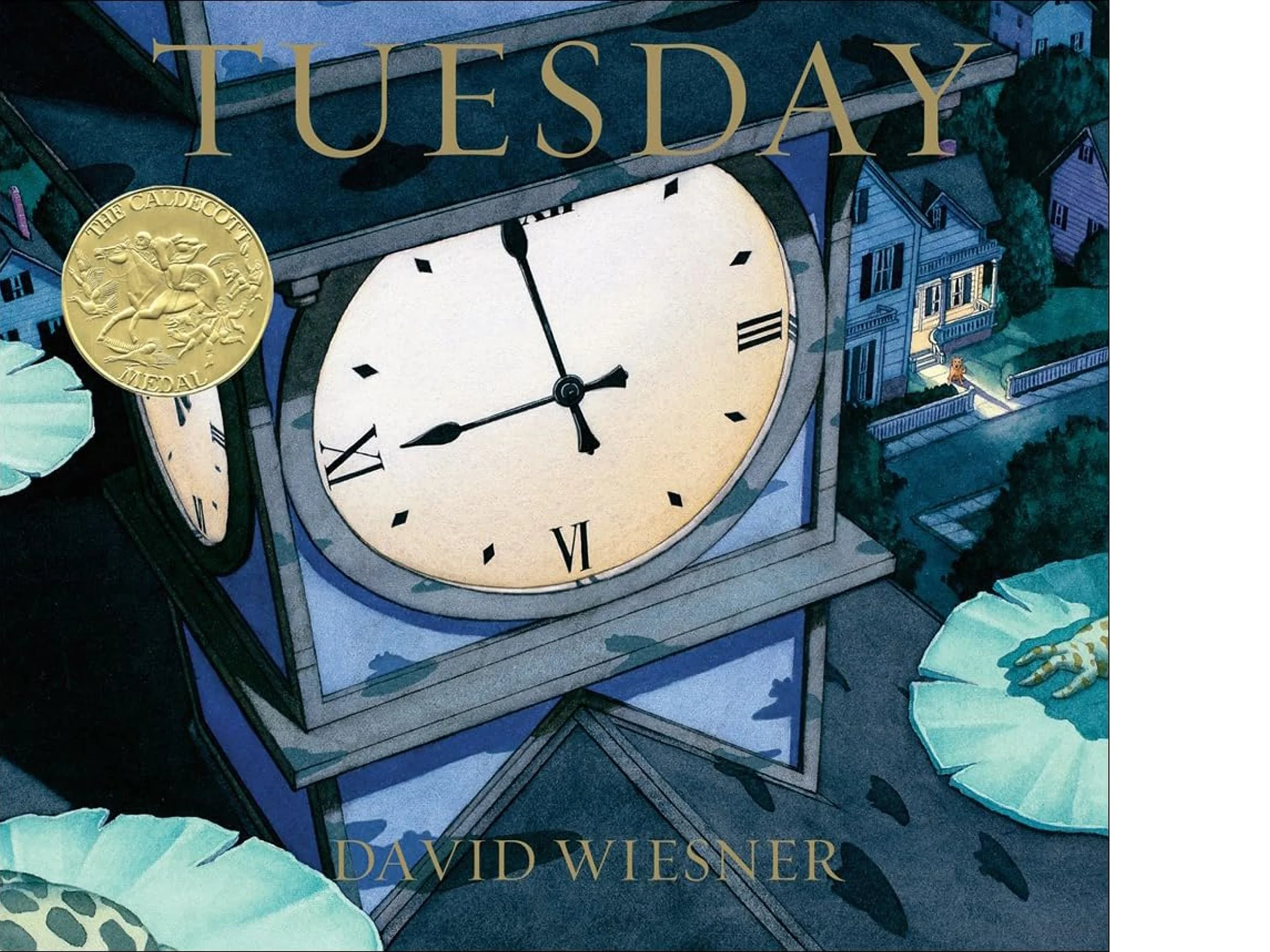
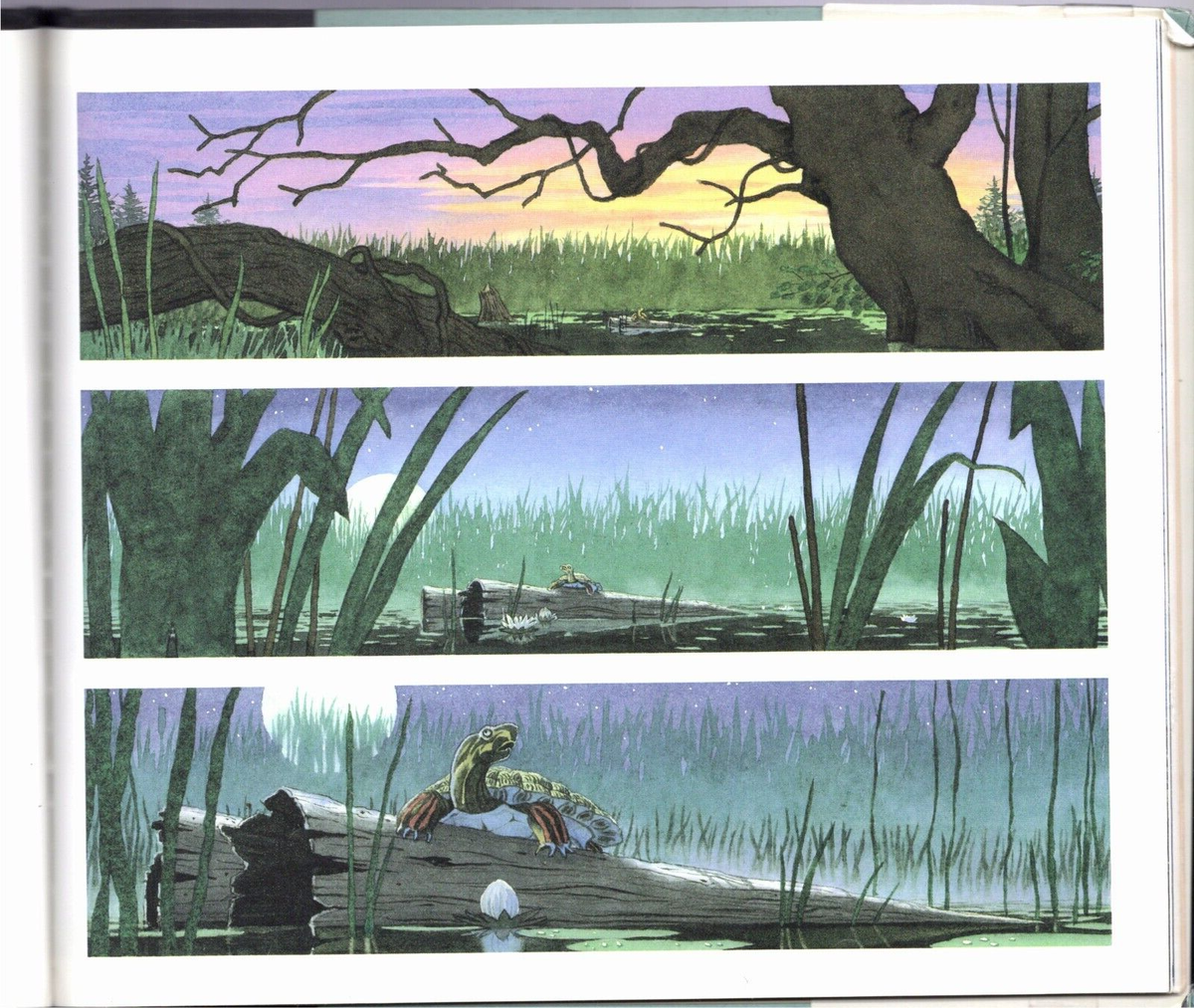
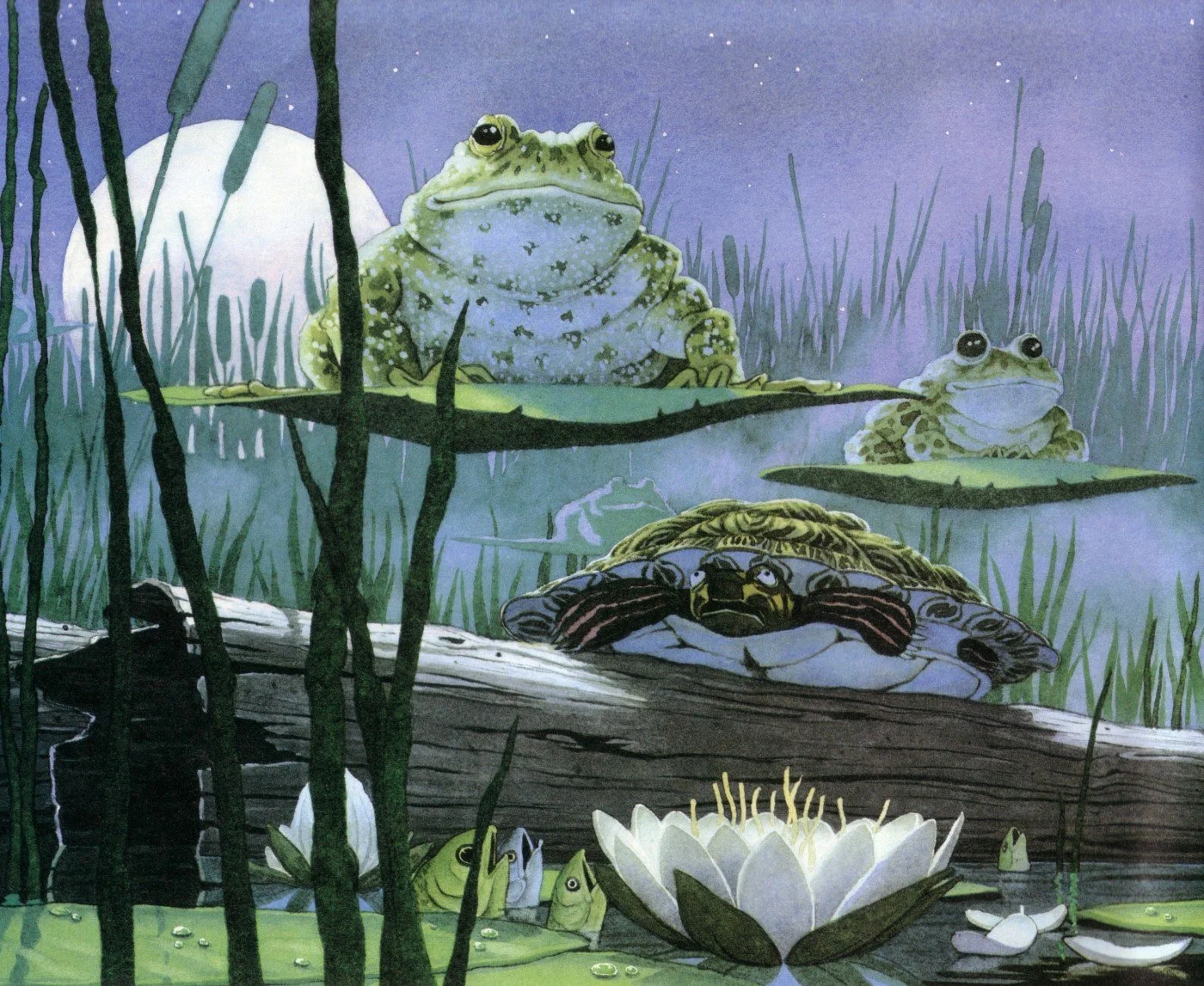
This is a pretty surreal book, but what it works brilliantly because it plays everything everything so straight, so ordinary. The world is completely believable. Quiet suburban streets, people watching TV, a dog in a backyard. And then frogs drift past the window on lily pads as if this is just how things are now. The plain characters that haven’t been excessively run through the cutification mill, have for the most part relaxed, ‘just another Tuesday’ expressions, but clearly something outlandish is happening. That contrast does a lot of the work. And it’s funny. Small moments. A dog suddenly unsure of itself. A room quietly invaded.
And of course then there’s the illustration. Total command of light and atmosphere. And the gorgeous blue-green night palette! The way the frogs sit in that luminous moonlight. It gives everything a slightly unreal edge while still feeling completely grounded. The composition does a lot too. Wide cinematic spreads, then tighter framed moments, little shifts in perspective that keep the eye moving. It has that silent film clarity where you always know where you are and what’s happening, even without words.
Final thoughts
Other than the pure gorgeousness of each of these books and all the books they make, there’s something more. Relief that they exist at all. That they were commissioned, published, and given the space to be what they are. They don’t feel shaped by a sense of what the publishers think the market is asking for. If anything, they seem to have shifted the parameters of that slightly. That’s encouraging for me as a maker and aspiring maker. And also a bit daunting. Because the bar of the work I love is so bloody high!
So these books and creators aren’t just favourites, they’re benchmarks for how good you have to be to do something truly original.